---
title: Before I hire again, could better processes or automation solve the capacity problem first?
description: Before hiring or automating, inspect how the work is done. Otherwise, you may cement a messy workflow into a permanent operating model.
image: https://www.advancementquest.com/hubfs/Before%20hire%20hubspot.png
---
[Skip to content](https://www.advancementquest.com/blog/before-i-hire-again-processes-automation-capacity#main-content)
Second Look
# Before I hire again, could better processes or automation solve the capacity problem first?

Advancement Quest Team
June 11, 2026
When you hire, you don't just pay for the work you need done. You pay for the whole shape of how the work currently happens - and you pay more to set that current process in stone.
That includes the useful part. It also includes the handovers, the approvals nobody questions, the duplicated steps, the unclear ownership, the habits nobody actually remembers choosing, the manual fixes everyone has quietly accepted as normal. A new person absorbs all of it.
Automation does the same thing in a different form. Point it at today's messy workflow and you don't fix the mess. You harden it. You turn today's workaround into tomorrow's infrastructure, much harder to change because now it's wired in.
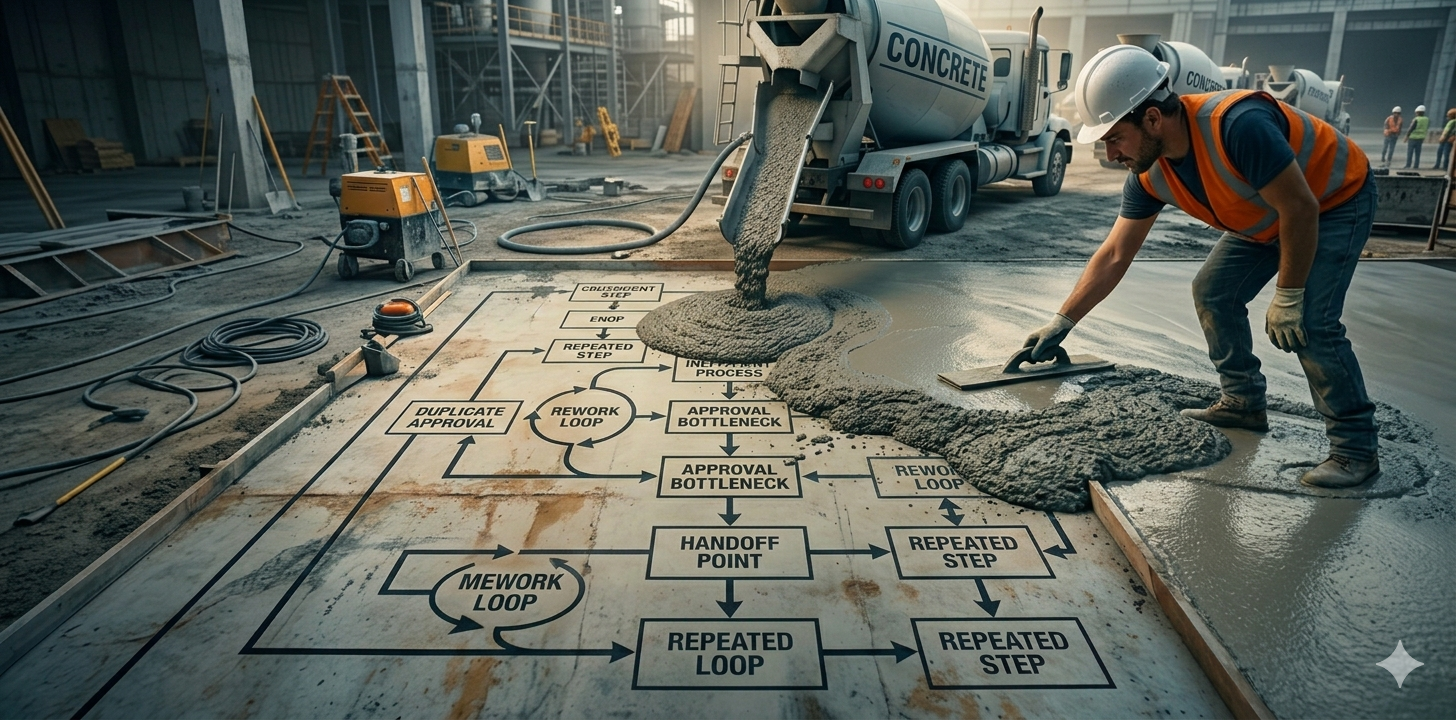
A person can do the work. A system can speed it up. A provider can take it over. But if the work is badly shaped to begin with, all three do the same thing - they take a mess and pour concrete over it, promoting it into a permanent operating model.
#### ⚡ Every hiring decision is a chance to inspect how the work is done.
Because the work in front of you may not be what it looks like. Some of it genuinely needs more capacity. But some needs clearer ownership, not more hands. Some needs redesigning. Some could be automated. Some just needs simplifying. And some of it should not exist at all - it survives only because no one has stopped to ask.
#### ⚡ A new hire should not inherit work that only exists because nobody has questioned it yet.
The same logic runs past hiring. Don't turn questionable work into a role, a system, an outsourced function, or a permanent cost centre before asking whether it should still exist in that form. Each of those decisions makes the work harder to unwind later.
So before you add capacity, inspect the work. What is it, actually? Why does it exist? Who should own it? What keeps generating it? Could it be removed, reduced, simplified, standardised, or redesigned? And where does human judgement genuinely matter, versus where are you just used to a person being involved?
What should this work become before we add more capacity to it, or automate it?
### 🚀 **What to do next**
If this feels familiar, start here:
👉 Run the [Second Look Decision Diagnostic](https://sldiag.advancementquest.com/second-look/decision-diagnostic/?entry=second-look) to see what’s missing before you decide
👉See [related business decision](https://www.advancementquest.com/second-look/situations/stuck-between-options/decisions/hiring-vs-automation-vs-staying-lean)
👉 📖 Read more on [Second Look blog](https://www.advancementquest.com/blog/tag/second-look)
You can continue with making the decision afterwwards.
## Share this post
[mailto:https%3A%2F%2Fwww.advancementquest.com%2Fblog%2Fbefore-i-hire-again-processes-automation-capacity](mailto:https%3A%2F%2Fwww.advancementquest.com%2Fblog%2Fbefore-i-hire-again-processes-automation-capacity)
## Keep reading
### [ AI Clinic Second Look Check Decision What did ChatGPT miss in my business plan?](https://www.advancementquest.com/blog/what-did-chatgpt-miss-in-my-business-plan)
### [ Second Look Should Sales Bonuses Reward Revenue or Profit Per Deal?](https://www.advancementquest.com/blog/should-sales-bonuses-reward-revenue-or-profit-per-deal)
---
Second Look. Advancement Quest Ltd © 2025. All rights reserved. Privacy policy available upon request
```json
{
"@context" : "https://schema.org",
"@id" : "https://www.advancementquest.com/blog/before-i-hire-again-processes-automation-capacity/#blogposting",
"@type" : "BlogPosting",
"about" : [ {
"@id" : "https://www.advancementquest.com/second-look/situations/stuck-between-options/decisions/hiring-vs-automation-vs-staying-lean/#page"
}, {
"@id" : "https://www.advancementquest.com/second-look/situations/stuck-between-options/#situation"
}, {
"@id" : "https://www.advancementquest.com/second-look/symptoms/#decision-options-paralysis"
}, {
"@id" : "https://www.advancementquest.com/second-look/#concept"
} ],
"author" : {
"@id" : "https://www.advancementquest.com/#organization",
"@type" : "Organization",
"name" : "Advancement Quest Team"
},
"dateModified" : "2026-06-11T10:00:30.544Z",
"datePublished" : "2026-06-11T07:59:59.000Z",
"description" : "Before hiring or automating, inspect how the work is done. Otherwise, you may cement a messy workflow into a permanent operating model.",
"headline" : "Before I hire again, could better processes or automation solve the capacity problem first?",
"image" : [ "https://www.advancementquest.com/hubfs/Before%20hire%20hubspot.png" ],
"mainEntityOfPage" : {
"@id" : "https://www.advancementquest.com/blog/before-i-hire-again-processes-automation-capacity/#page"
},
"mentions" : [ {
"@id" : "https://www.advancementquest.com/second-look/#framework"
}, {
"@id" : "https://www.advancementquest.com/second-look-blog#blog"
} ],
"name" : "Before I hire again, could better processes or automation solve the capacity problem first?",
"potentialAction" : {
"@id" : "https://www.advancementquest.com/blog/before-i-hire-again-processes-automation-capacity/#check-action"
},
"publisher" : {
"@id" : "https://www.advancementquest.com/#organization"
},
"url" : "https://www.advancementquest.com/blog/before-i-hire-again-processes-automation-capacity/"
}
```
```json
{
"@context" : "https://schema.org",
"@id" : "https://www.advancementquest.com/blog/before-i-hire-again-processes-automation-capacity/#page",
"@type" : "WebPage",
"about" : [ {
"@id" : "https://www.advancementquest.com/second-look/situations/stuck-between-options/decisions/hiring-vs-automation-vs-staying-lean/#page"
}, {
"@id" : "https://www.advancementquest.com/second-look/situations/stuck-between-options/#situation"
}, {
"@id" : "https://www.advancementquest.com/second-look/symptoms/#decision-options-paralysis"
}, {
"@id" : "https://www.advancementquest.com/second-look/#concept"
} ],
"description" : "Before hiring or automating, inspect how the work is done. Otherwise, you may cement a messy workflow into a permanent operating model.",
"isPartOf" : {
"@id" : "https://www.advancementquest.com/second-look-blog#blog"
},
"mainEntity" : {
"@id" : "https://www.advancementquest.com/blog/before-i-hire-again-processes-automation-capacity/#blogposting"
},
"mentions" : [ {
"@id" : "https://www.advancementquest.com/second-look/#framework"
}, {
"@id" : "https://www.advancementquest.com/second-look-blog#blog"
} ],
"name" : "Before I hire again, could better processes or automation solve the capacity problem first?",
"url" : "https://www.advancementquest.com/blog/before-i-hire-again-processes-automation-capacity/"
}
```
```json
{
"@context" : "https://schema.org",
"@id" : "https://www.advancementquest.com/#organization",
"@type" : "Organization",
"logo" : {
"@id" : "https://www.advancementquest.com/#organization-logo",
"@type" : "ImageObject",
"url" : "https://www.advancementquest.com/hubfs/Mountain%20ChatGPT1%20black%20transparent%20cropped.png"
},
"name" : "Advancement Quest",
"url" : "https://www.advancementquest.com/"
}
```
```json
{
"@context" : "https://schema.org",
"@id" : "https://www.advancementquest.com/blog/before-i-hire-again-processes-automation-capacity/#check-action",
"@type" : "CheckAction",
"description" : "Use the Second Look Diagnostic to identify what may be missing or unclear before committing to this type of decision.",
"name" : "Run the Second Look Diagnostic",
"object" : {
"@id" : "https://www.advancementquest.com/blog/before-i-hire-again-processes-automation-capacity/#blogposting"
},
"target" : {
"@id" : "https://sldiag.advancementquest.com/second-look/decision-diagnostic/#app"
}
}
```