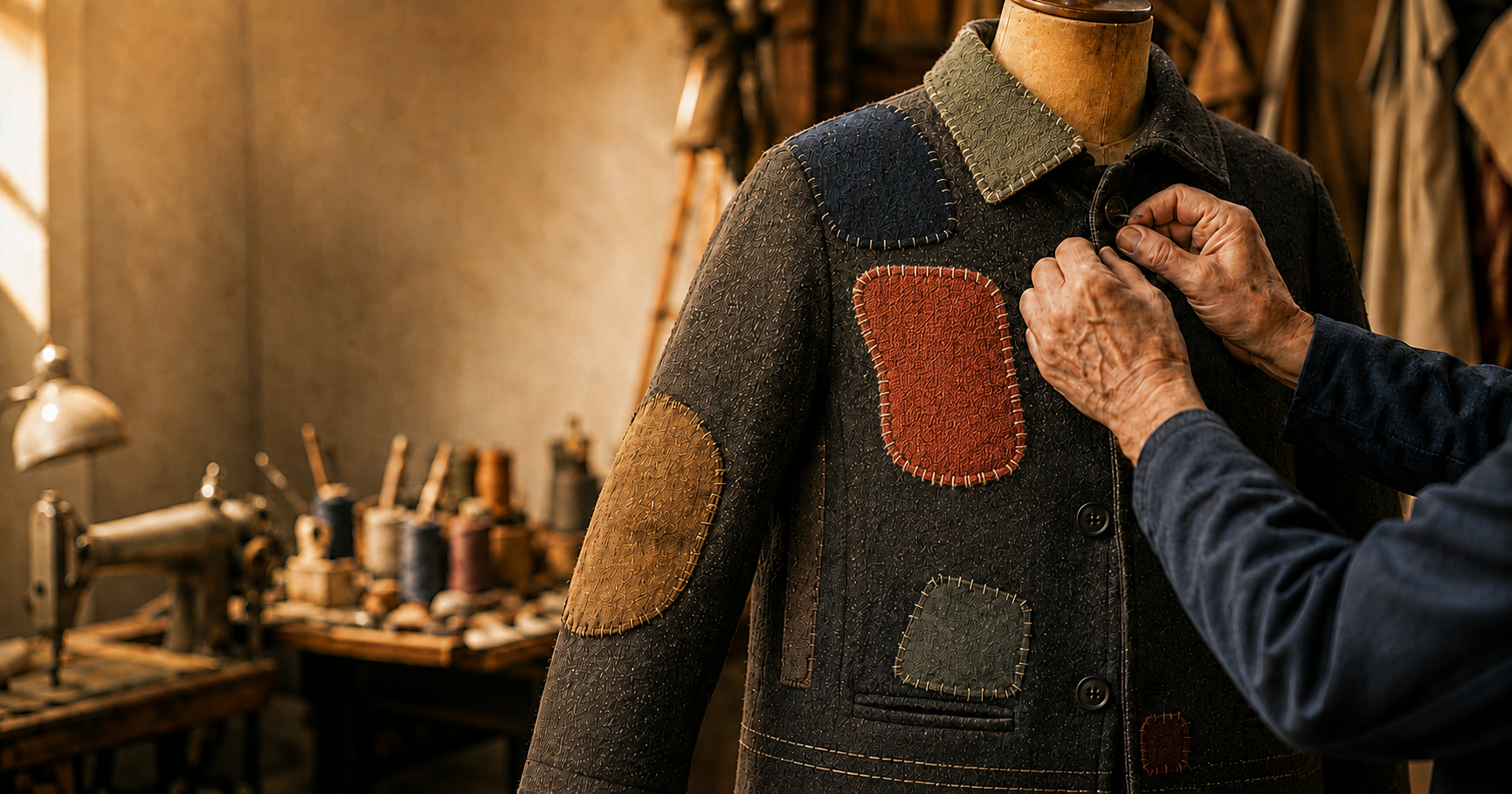
There's a coat in the back of a tailor's workshop that's been mended so many times it's become a kind of history. A patch here from a few years ago, a let-out seam there from when things needed to fit a little differently, a hem taken up and back down more than once. None of the mends were wrong when they were made. Each one made sense at the time, for whatever the coat needed that particular year. Nobody ever sat down and asked whether it was still the right coat. It just kept getting quietly adjusted. Replacing it, or even reconsidering it properly, always felt like more than the moment called for.
Long-standing client relationships have a way of ending up looking a lot like that coat.
The client has been with the business for years. They're easy to work with, they pay on time, there's real history and real trust, and the price has stayed roughly where it started, or moved only a little, absorbed the way the coat absorbed each small mend. Every year the idea of raising it crosses the owner's mind. Every year the conversation feels like more trouble than it's worth, and it gets postponed again. This has nothing to do with not knowing. The owner usually knows the numbers have changed. What's stopping the conversation is loyalty, familiarity, and the simple inertia of a price that stopped being actively chosen a long time ago and quietly became part of the relationship itself.
The question that actually gets asked is almost always the same one: what happens if I raise it and they push back. That's a real risk worth taking seriously. But leaving the price exactly where it is isn't the neutral, risk-free option it feels like. It's a decision too, it just doesn't feel like one, because nothing about it requires a difficult conversation today.
⚡ The cost of a price increase is visible immediately. The cost of postponing it can accumulate quietly for years.
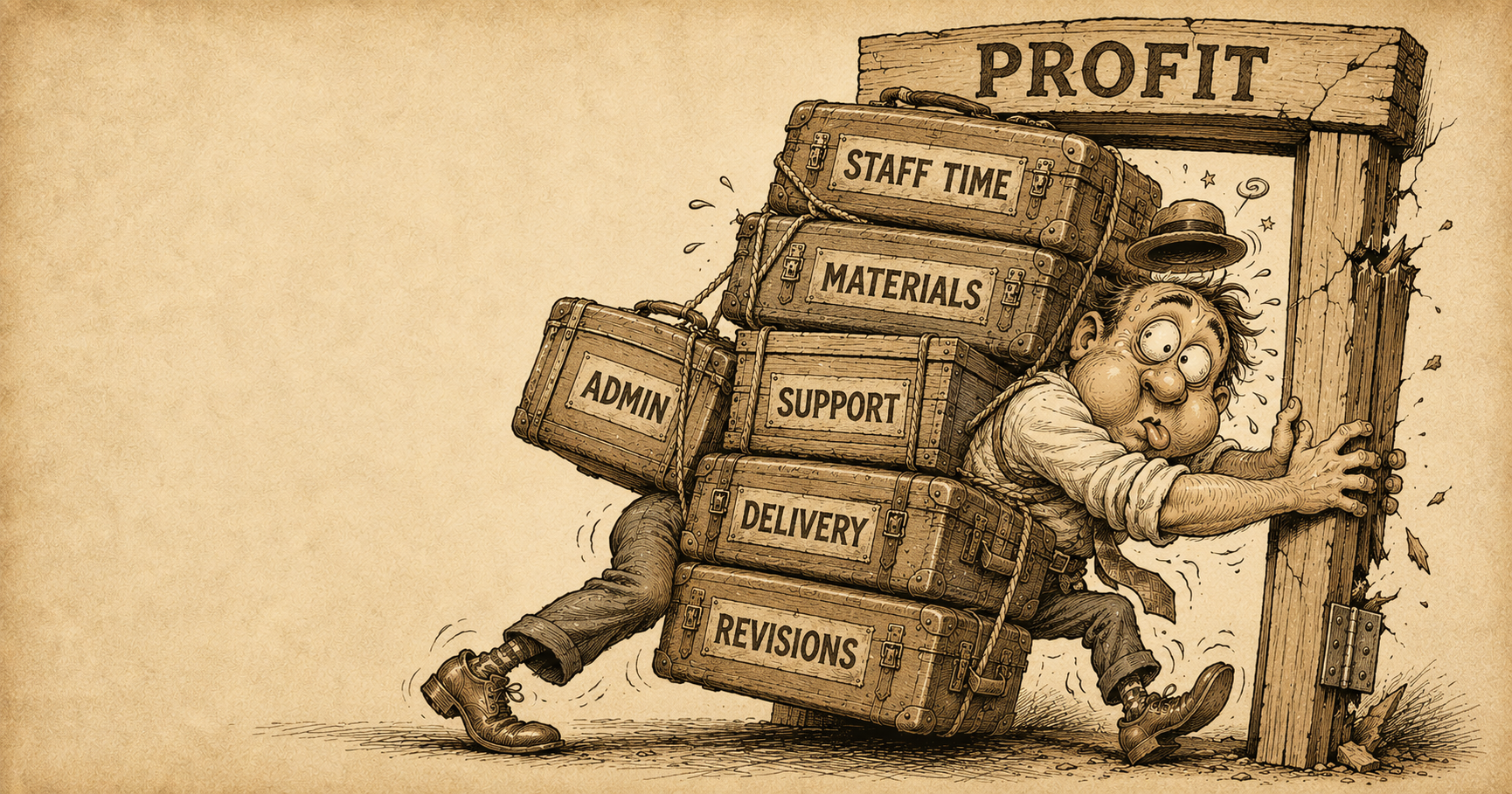
Worth a brief, honest look first: does the current price actually still work. Not a full audit, just enough to know. What does this client genuinely cost to serve today, once staff time, support, the scope that's crept in over the years, and the small administrative overhead of managing the account are properly counted. The original price may have been entirely sensible when it was agreed. The only real question is whether the economics underneath it have changed since then, the way costs and expectations tend to, quietly, a little at a time.
None of that means the relationship should simply be re-priced to whatever the market rate happens to be today. A long-standing client is often worth more than the margin on their most recent invoice. They're predictable. They're cheap to retain compared to winning someone new. They're easy to work with, they pay reliably, and they may well be a source of referrals or other work that never shows up as a line item anywhere. That value is real, and a business can rationally choose to accept a slightly lower margin from a client like that. The question worth asking honestly is whether that lower price is a deliberate choice, made with eyes open, or simply an old number that's never been reconsidered.
Here's where the coat starts to matter more than a spreadsheet would. A price left unexamined for long enough doesn't just erode a margin quietly in the background. It changes how the relationship feels from the inside. A team starts to notice that one particular account takes more time than it should, that there's barely any margin left in it, that the hours going into it could clearly be spent somewhere more rewarding. None of that starts as resentment toward the client. But left long enough, that's exactly where it ends up, and at that point, the old price meant to protect a valued relationship starts quietly working against it instead.
That's the real comparison worth making. Not "will they be upset" against "will they stay quiet," but one uncomfortable conversation against another year of a price the business has stopped actively choosing.
Raising it means an uncomfortable exchange, maybe some negotiation, a real possibility the client pushes back hard. But it also means a margin that reflects what the work actually costs today, and capacity no longer tied up below its worth. Any correction happens now, while it's still manageable, rather than later, once the gap has grown wider.
Leaving it means no difficult conversation today. It also means another year of the same drift: more capacity absorbed at a rate that doesn't reflect its value, and a widening gap to today's pricing. Whenever it finally gets addressed, the jump will feel far more jarring for having been delayed this long.
None of this means loyalty has to mean an unchanged number forever. A long-standing client can be treated differently from a new one without being frozen on a price that made sense years ago. That might mean a smaller increase than the current market rate, more notice before it takes effect, a phased move rather than a single jump, or preferential terms kept somewhere other than the base price itself. The specific mechanism matters less than the principle underneath it.
⚡ Loyalty has value. An inherited price is not necessarily the best way to recognise it.
A useful test: if this client arrived today, knowing what the work actually costs, what the relationship is worth, and how much capacity it uses, would the business agree to serve them at the current price? If the honest answer is yes, the lower price may well be a deliberate, sensible way of rewarding a valuable relationship, and that's worth just as much recognition as any other rational business decision. If the answer is no, the coat has quietly stopped fitting, whatever mends have been made to it over the years, and the real question isn't whether to have the conversation, but how much longer it makes sense to keep avoiding it.
🚀 What to do next
If this feels familiar, start here:
👉 Run the Second Look Decision Diagnostic to see what’s missing before you decide
👉See related business decision
👉 📖 Read more on Second Look blog
You can continue with making the decision afterwwards.